


This post is also available in:
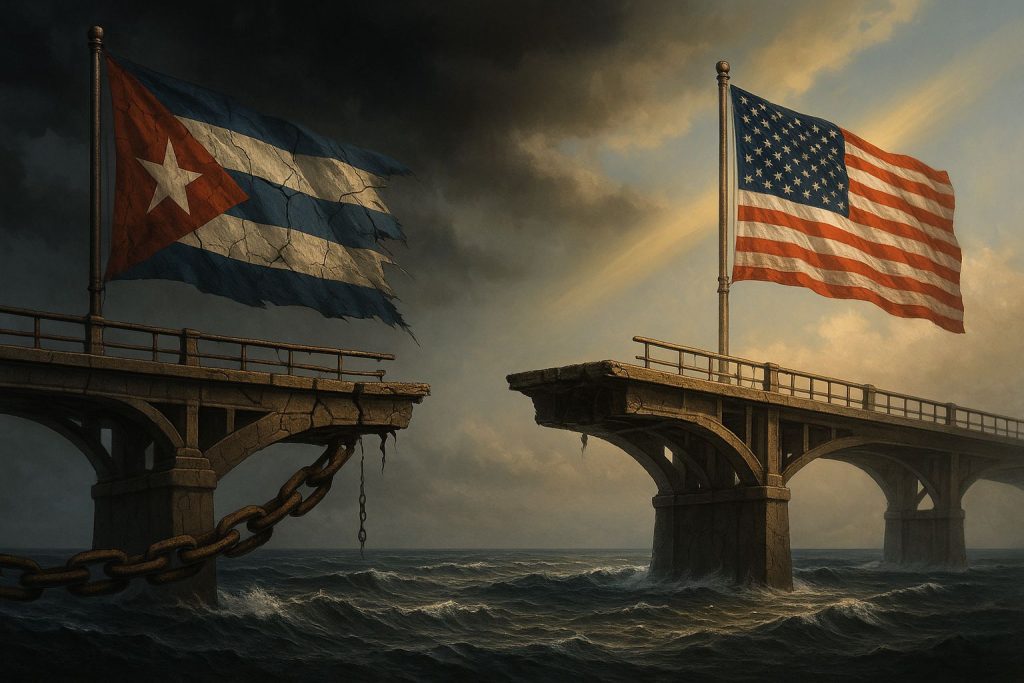
For decades, the power in Cuba has instilled the idea that the United States is solely responsible for the bilateral conflict unleashed after the victory of the armed revolutionaries in 1959. The official narrative created a myth: the island as David against Goliath, an independent nation unfairly besieged by the neighboring imperial power. Under this logic, dissent becomes treason and the absolute control of the Communist Party is justified as a guarantee of sovereignty.
This discourse legitimized economic and political mistakes, lack of transparency, and repression of any critical voices. Discontented Cubans were stigmatized as “worms” or “traitors,” repressed, imprisoned, or pushed into exile. All in the name of a supposed socialist construction that served, above all, to perpetuate the power of a political caste.
But what if it were proven that Fidel Castro could have avoided the confrontation in 1959 and, instead of doing so, chose to sabotage any understanding? That hypothesis would dismantle the official narrative and show that the embargo/blockade/sanctions/measures by the United States and mutual hostility were not an inevitable fate.
Researcher William Leogrande documented this in his article “Anger, Anti-Americanism, and the Breakdown of Cuba-U.S. Relations” and in the book Back Channel to Cuba, written with Peter Kornbluh. Let’s take a look.
The first months: Rhetorical aggressiveness vs. diplomatic caution
From January 1959, Fidel Castro attacked the United States in speeches blaming the northern neighbor for Cuba’s 20th-century woes. Meanwhile, Washington recognized the new government and maintained a policy of cautious observation, which caused irritation in its power circles.
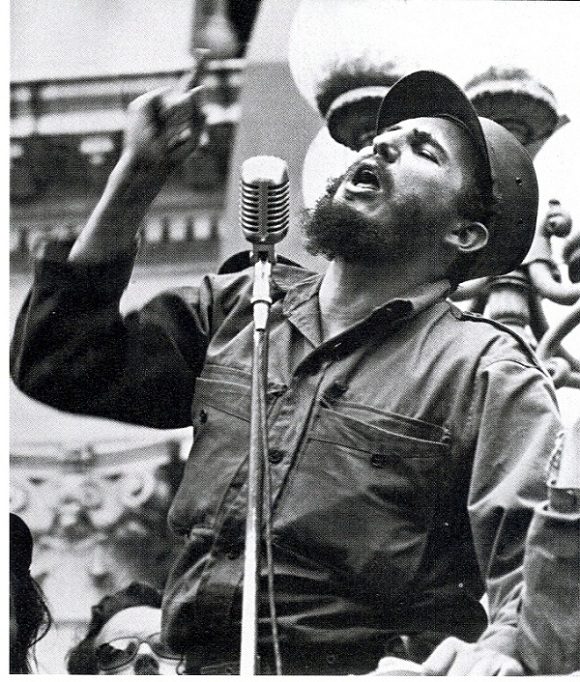
The embassy in Havana reported that Castro’s attitude conveyed distrust and hostility. However, diplomats like Daniel M. Braddock insisted Washington sought good relations and that the Cuban leader’s anti-Americanism was more populist rhetoric than real policy.
Even when Castro visited the United States in April 1959, Eisenhower granted him a visa despite his public hostility, warned by the CIA that denying it would only strengthen his nationalist image. U.S. diplomacy continuously chose not to confront.
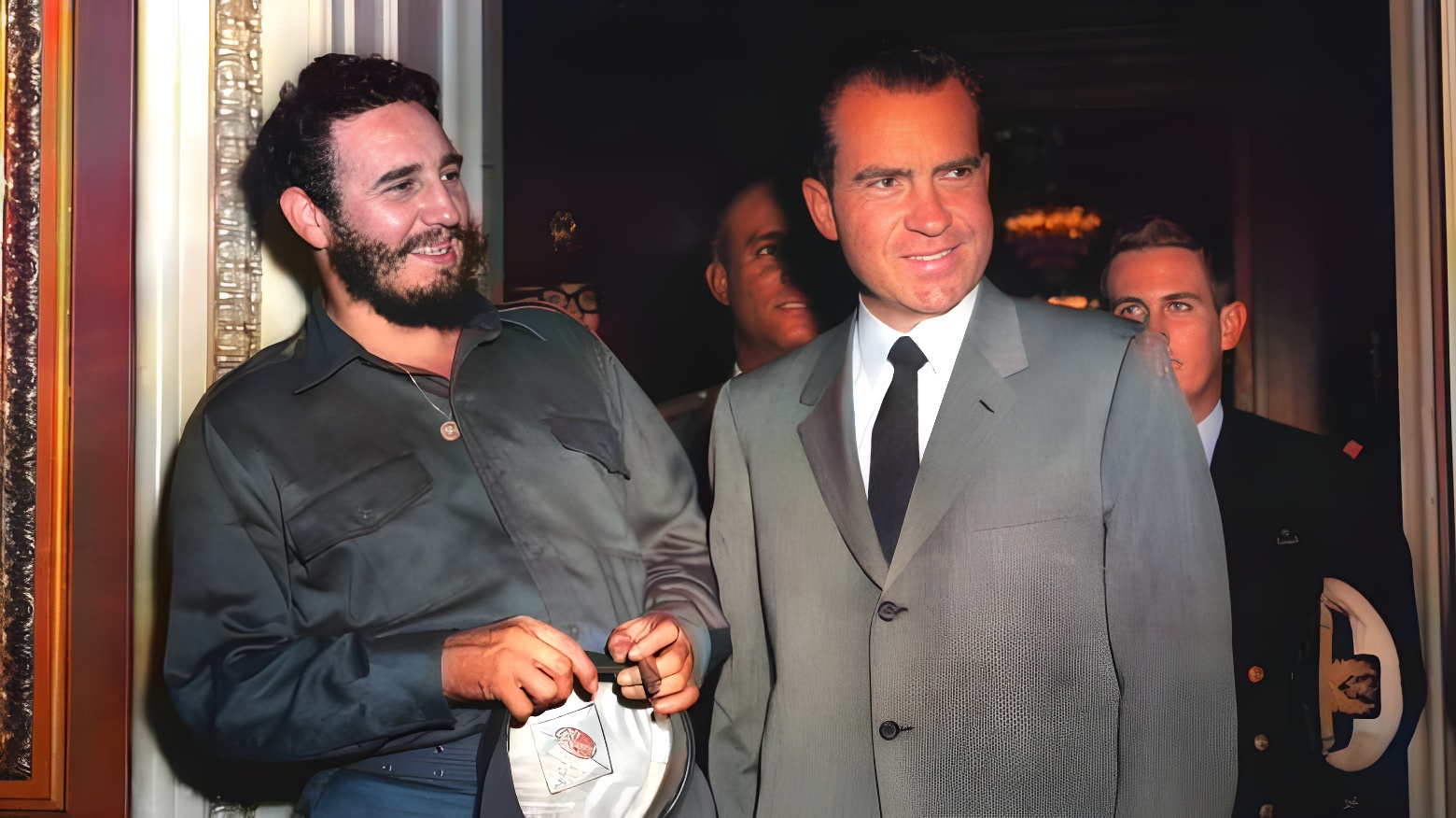
Ambassador Philip Bonsal himself recommended avoiding a war of words, noting the revolution had legitimate support and historical causes. Yet rhetorical attacks from Cuba persisted. Castro avoided meeting Bonsal until September and, when he did, acknowledged perhaps he had overstepped in his criticisms. His ambassador, Ernesto Dihigo, also justified hostility as youthful enthusiasm from inexperienced officials.
Washington, however, was beginning to lose patience. In November 1959, the State Department concluded that understanding was impossible: Castro deliberately fostered anti-Americanism.
Final negotiation attempts
Nevertheless, Bonsal persuaded Eisenhower to try one last rapprochement. In January 1960, the president published a statement recognizing Cuba’s right to apply social reforms and called for negotiation.
For a brief period, Castro lowered his tone. But before talks opened, Raúl Castro delivered a virulent speech at the University of Havana against the US and its 1898 role. The chance for understanding was once again frustrated by the Cuban leadership’s decision.
Years later, in 1978, Fidel Castro admitted to diplomat Wayne Smith that he might have burned bridges too soon and acted with more aggression than necessary.
He said exactly:
“In retrospect, I see a number of things I would have done differently… Even adversaries find it useful to keep bridges between them… Perhaps I burned some of those bridges prematurely; at times I may have been harsher, more aggressive than the situation required.”
As is known in law: confession by a party is equivalent to evidence.
“In retrospect, I see a number of things I would have done differently… Even adversaries find it useful to keep bridges between them… Perhaps I burned some of those bridges prematurely; at times I may have been harsher, more aggressive than the situation required.” As is known in law: confession by a party is equivalent to evidence.
The Cold War’s role in the Cuba vs. U.S. battle
From then on, the atmosphere of distrust triggered a chain of actions and reactions that escalated to the present day. The first attacks came from Havana when Washington was still trying to negotiate. The Cuban leadership provoked and then victimized itself.
U.S. concern over a communist turn in Cuba was not unfounded. In 1959, anti-Batista fighters like Pedro Díaz Lanz and Huber Matos already denounced that trend. In the Cold War context, the possibility of a communist government 90 miles from Florida was intolerable for Washington, which controlled anti-communist influence like Moscow in its zone.
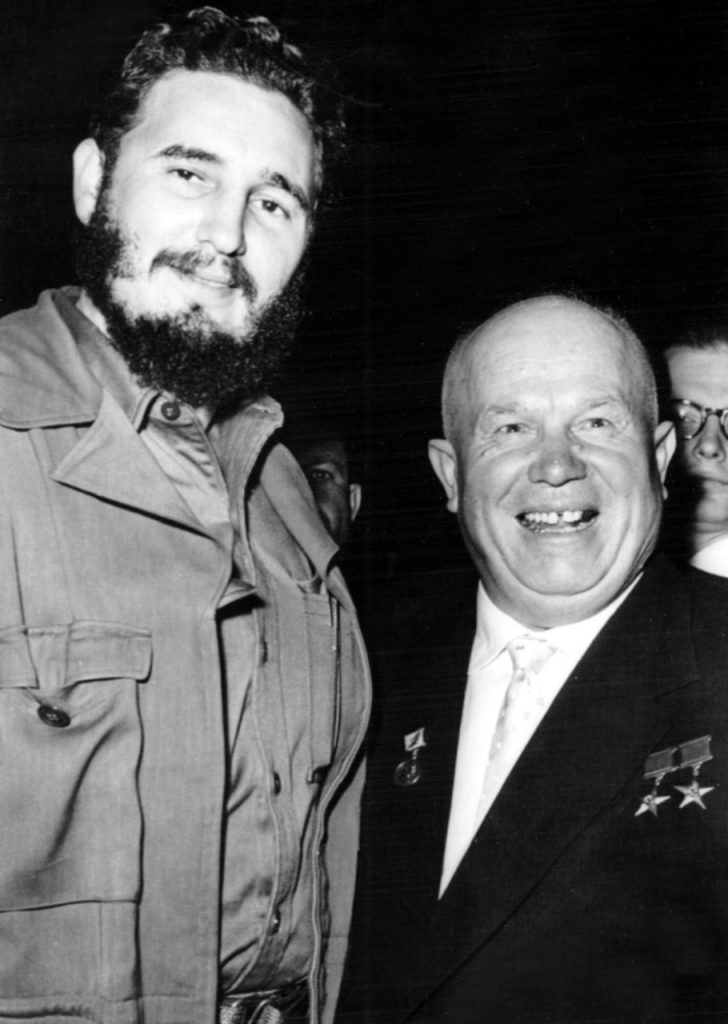
Castro supporters often invoke the case of Jacobo Arbenz, the Guatemalan president overthrown in 1954 after land reform affecting the United Fruit Company. But conditions were not comparable: the Cuban revolution had triumphed by arms, controlled the army, and had broad popular support. The U.S., therefore, insisted on negotiation before taking drastic measures.
A more relevant example is Lázaro Cárdenas in Mexico. In 1938, he nationalized oil but avoided confrontation with moderate rhetoric and negotiations that allowed a settlement with Washington. Unlike Castro, Cárdenas showed no communist leanings nor nationalizations resembling confiscation.
The fallacy of inevitability
Castro-populist propaganda maintains that U.S. hostility first pushed Cuba toward the USSR. However, the chronological order shows the opposite: Fidel Castro early on assumed the clash was inevitable and acted accordingly.
This binary vision — either confront the U.S. or resign to dependence — concealed intermediate, more sustainable options. There was room for gradual reforms and pragmatic negotiations, though not free from challenges. But these options didn’t guarantee Castro’s personal goal: consolidating power, eliminating opposition, and perpetuating himself under the excuse of an external enemy.
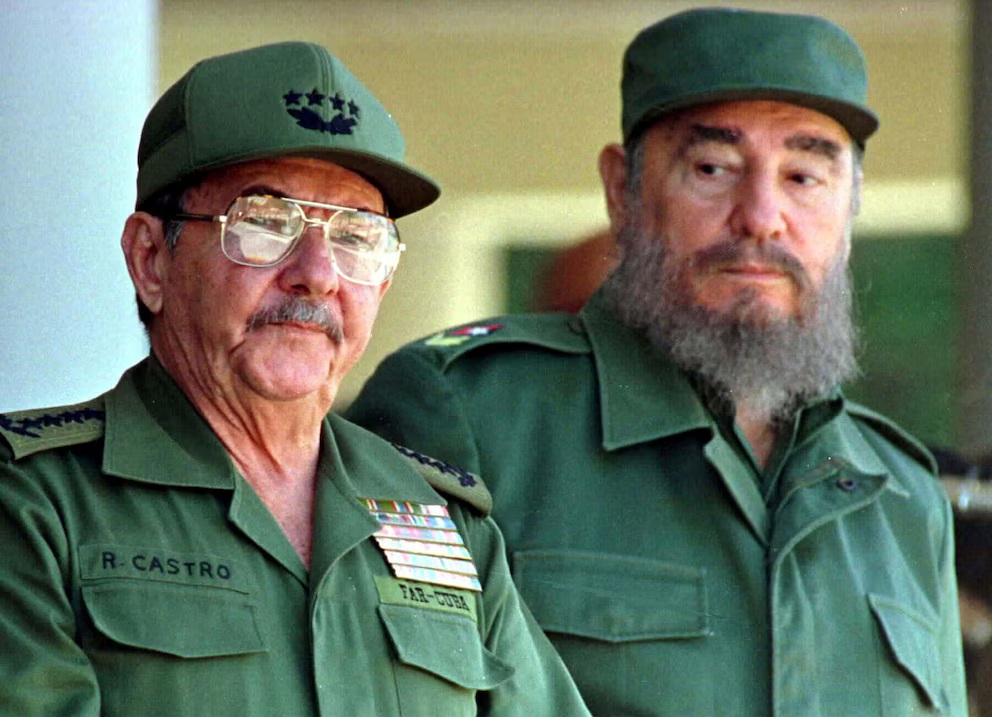
Yes, Cuba needed to resolve its dependency on sugar and the U.S., along with deep social inequalities and various problems. But nothing compelled pursuing an open confrontation with the world’s greatest power.
That political choice, not imposed by fate but largely by Fidel Castro’s personality and the emboldening of the rebels — some main leaders of whom were communists (which Castro initially hid), like Che and Raúl Castro — dragged the country into an endless war shaping six decades of history.
Who loses out?
The official myth has tried to justify abuses and rights violations under the shadow of an inevitable external enemy. However, facts show that in 1959 the U.S. extended its hand repeatedly and it was Cuba, under Fidel Castro’s leadership, that chose confrontation.
As William Leogrande makes clear, it was Castro’s aggressive speeches that marked the start of the conflict. Subsequent hostility was a consequence of that deliberate choice.
Therefore, prolonged confrontation was not inevitable. It was provoked by leadership that found external conflict the perfect excuse to consolidate power. And the Cuban people have paid, and continue to pay, the price.
References
- Leogrande, William M. (2017). Anger, Anti-Americanism, and the Break in U.S.-Cuban Relations. Diplomatic History, Vol. 41, No. 1. Available at: https://academic.oup.com/dh/article/41/1/104/2669371.
- LeoGrande, William M. & Kornbluh, Peter (2014). Back Channel to Cuba. The Hidden History of Negotiations between Washington and Havana. Chapel Hill: The University of North Carolina Press.
- Smith, Wayne S. (1987). The Closest of Enemies: A Personal and Diplomatic Account of U.S.-Cuban Relations Since 1957. New York, pp. 144–145.